Tech for Good: Bridging the Translation Gap at NIH
Dev Narang
January 2026
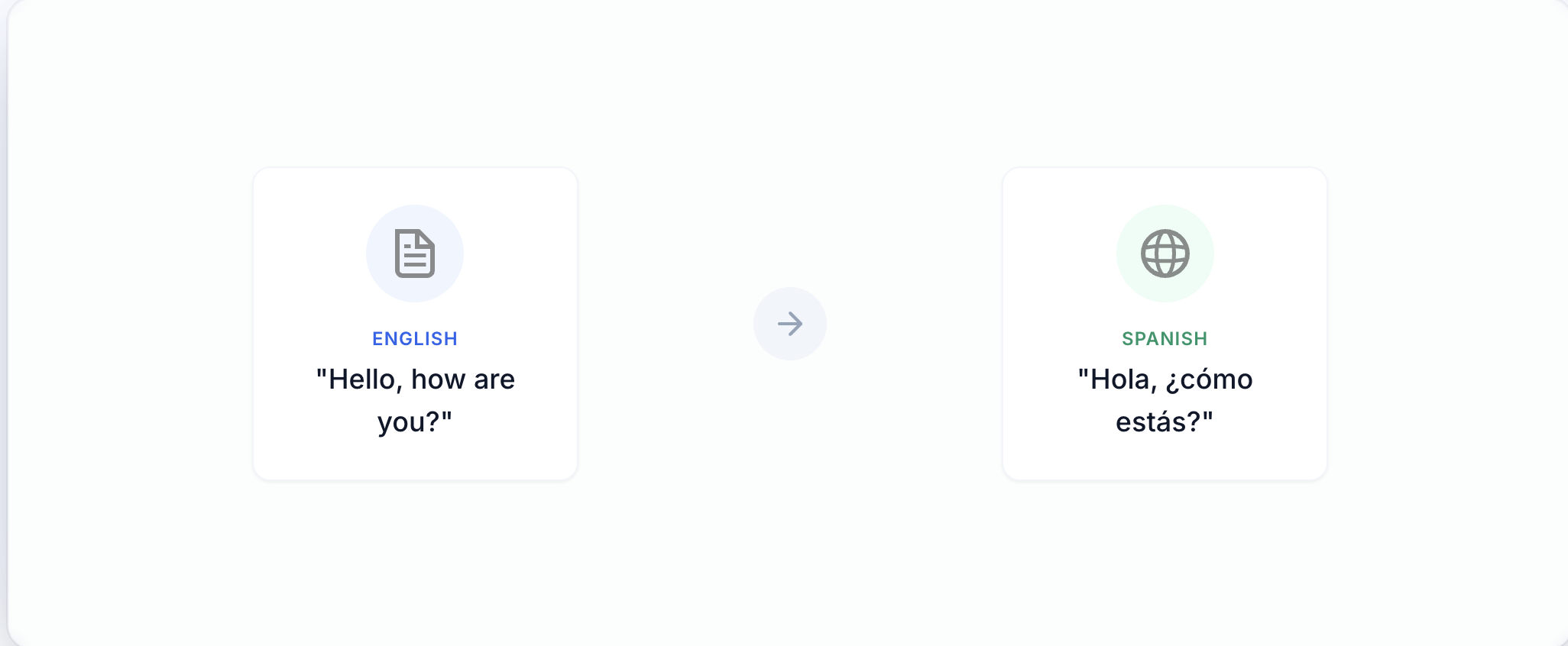
Tech for Good: Bridging the Translation Gap at NIH
Every day at the National Institutes of Health Clinical Center, patients from around the world arrive seeking cutting-edge treatment for rare diseases and complex conditions. Many of these families speak limited English, and when language barriers emerge during critical medical consultations, the stakes couldn't be higher.
The Problem: More Than Just Translation
The problem isn't just about translation—it's about precision. Consumer tools like Google Translate work reasonably well for everyday conversations, but they struggle with medical terminology. When a doctor discusses "contraindications" or asks about "acute versus chronic symptoms," these nuances often get lost or mistranslated. For families already navigating the stress of serious illness, unclear communication can delay diagnoses, complicate treatment plans, and create unnecessary anxiety.
Why NIH Needed a Better Solution
The NIH Clinical Center recognized this gap and the urgent need for better solutions. While professional medical interpreters are invaluable, they're not always immediately available, especially for the diverse range of languages spoken by NIH's international patient population. In critical moments, families need reliable communication tools that can handle the complexity of medical conversations.
Building the Platform
That's where I came in as a volunteer. I worked on developing a real-time interpretation platform specifically designed for clinical settings. Unlike general translation tools, this system is built to handle medical terminology with accuracy and context awareness. During patient consultations, it provides live interpretation that healthcare providers and families can trust for discussing symptoms, understanding treatment options, and following care instructions.
The platform serves as a bridge when human interpreters aren't available, ensuring that language never prevents a patient from receiving quality care. For the NIH, it means more efficient consultations and better patient outcomes. For families, it means being able to clearly communicate about their loved one's health and understanding the care they're receiving.
Try It Yourself
The platform I helped build is now live and available for anyone to use. Experience seamless real-time translation across 50+ languages with medical-grade accuracy at live-translate.org.
Whether you're in a healthcare setting, conducting international meetings, or simply connecting with people across language barriers, the platform provides:
- Real-time translation with AI-powered accuracy
- Video conferencing integration for face-to-face conversations
- Low latency communication that feels natural
The Bigger Picture
This project showed me how technology can address real human needs. It's not about replacing the human element in healthcare—it's about ensuring that every patient, regardless of the language they speak, has equal access to the life-changing treatments the NIH provides.
Building tools that matter, that make a real difference in people's lives during their most vulnerable moments—that's what drives me as a developer.
Dev Narang
Web developer and tech enthusiast sharing knowledge and experiences.
Comments (0)
Related Posts
Why I Chose to Study Data Science
For me, what makes data science so exciting is that it really lets you create real things with tangible results out of a messy, complicated world.
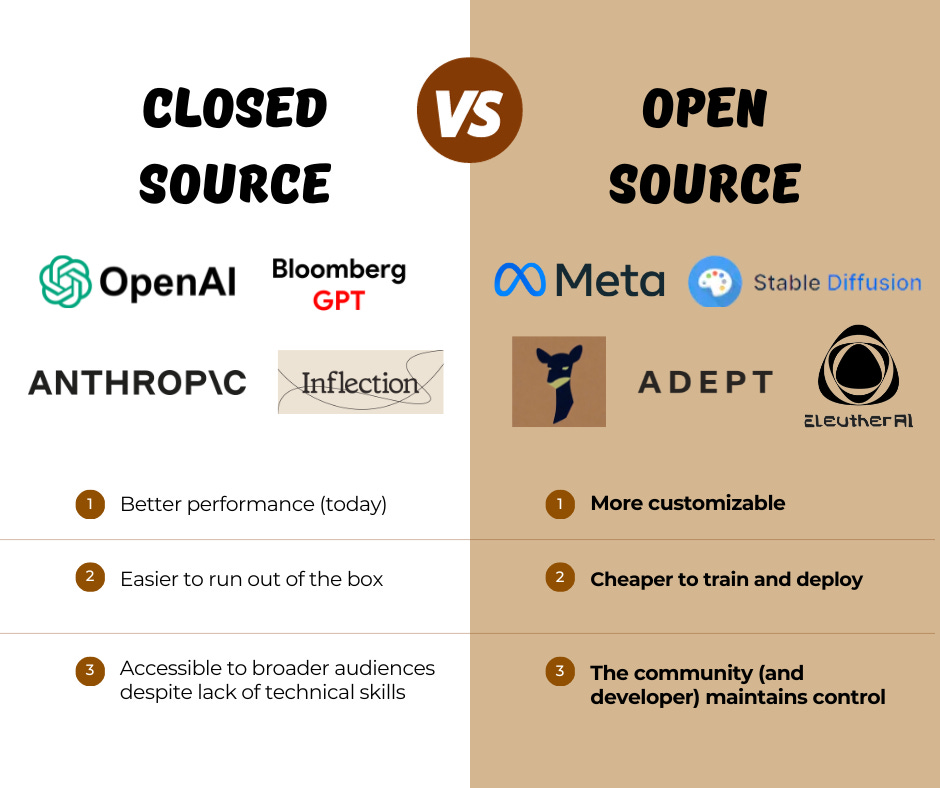
The 'Brain' You Own vs. The 'Brain' You Rent: Why Open Source Wins the AI Business War
OpenAI sells a fish; Meta gives you the genetics to breed your own. Why open-source AI models provide the customization, privacy, and control required to build a defensible business moat.